It happens in grocery lots, at gas pumps, and in driveways all over Monroe: the door swings shut, the lock clicks, and the keys are sitting on the passenger seat in plain sight. Modern cars have made this both harder and easier to do. Harder, because many cars resist locking with a key inside. Easier, because when it does happen, there is usually no spare within reach.
Knowing the sequence of a lockout call ahead of time takes most of the stress out of it. Nothing in the process is mysterious, and a legitimate locksmith follows the same steps every time.
First, the things worth trying for two minutes
Walk the car and check every door and the trunk, including the one you are sure you locked. Try the other doors calmly rather than yanking handles; a rear door is occasionally on a different lock cycle than the fronts. If a window is cracked open more than a finger's width, do not improvise with hangers or rulers. Paint, weatherstripping, and the window regulator all cost more than the service call, and modern door internals are full of wiring and side airbag hardware that a wire can find the hard way.
Then call for help with two pieces of information ready: where the car is, precisely, and what it is. Year, make, and model tell the locksmith which entry method the car needs before the truck rolls.
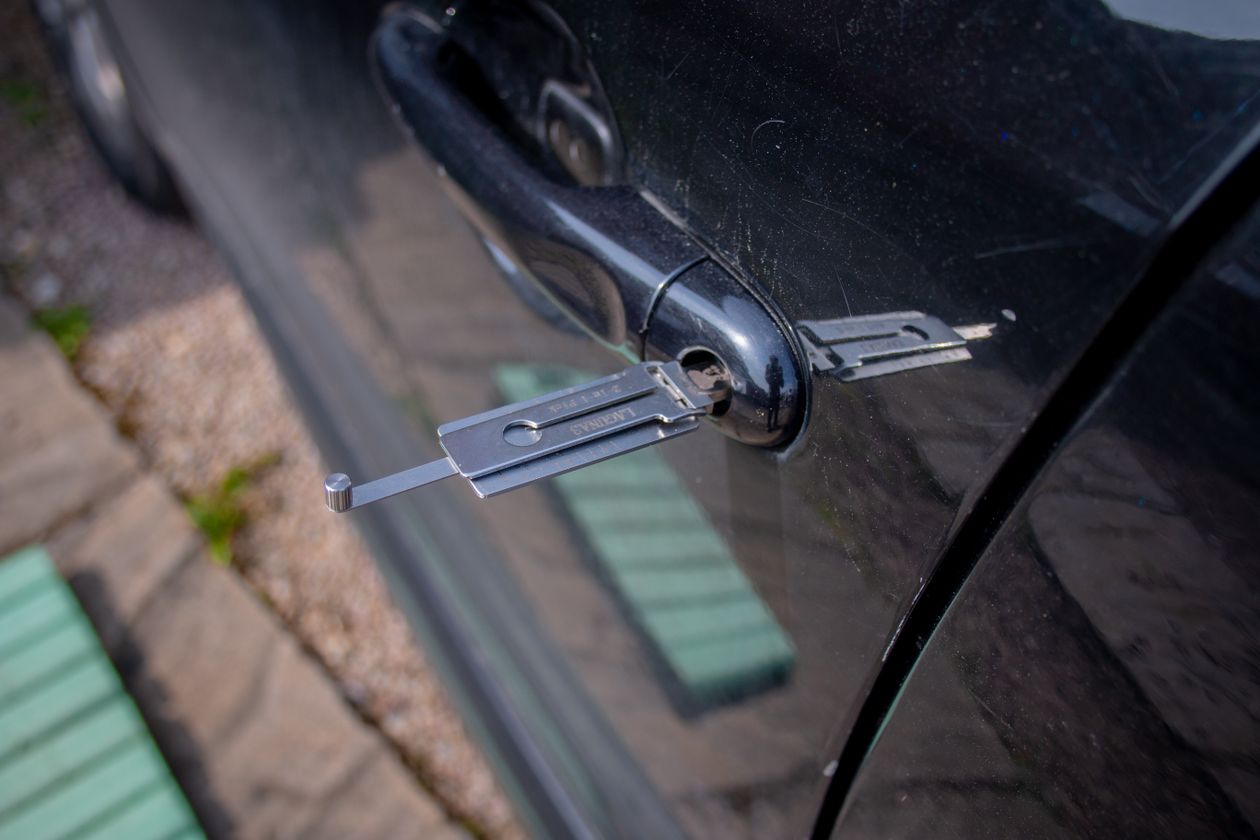
What the locksmith does on arrival
- Verify the car is yours. Expect to show identification and registration or insurance that matches. A locksmith who skips this step entirely is telling you something about their business.
- Choose the entry method. Depending on the vehicle, that may be a long-reach tool through a carefully wedged door gap, or work through the lock itself. The goal is entry with no damage to paint, glass, or seals.
- Open the door and stop. Entry is the job you hired out. Anything beyond it, like a replacement key, is a separate conversation with a separate price agreed before it starts.
- Settle the quoted price. A price given up front on the phone should be the price at the window. If the number changes on arrival without a clear reason tied to the car itself, that is a reason to pause.
If the key is lost rather than locked inside
A lost key is a bigger job than a lockout, and it splits by vehicle age. Older cars with plain metal keys can often be cut from the lock or from a code. Most cars built in the last two decades use a transponder key: a chip in the key head talks to the car's immobilizer, and a copy that turns the lock but carries no programmed chip will not start the engine. Making one means cutting the blade and programming the chip to the car, which a locksmith with the right equipment does at the car, usually without a tow to a dealer.
Mention a lost key, rather than a lockout, when you call. It changes what equipment comes along and it changes the quote, and finding that out at the car helps nobody.
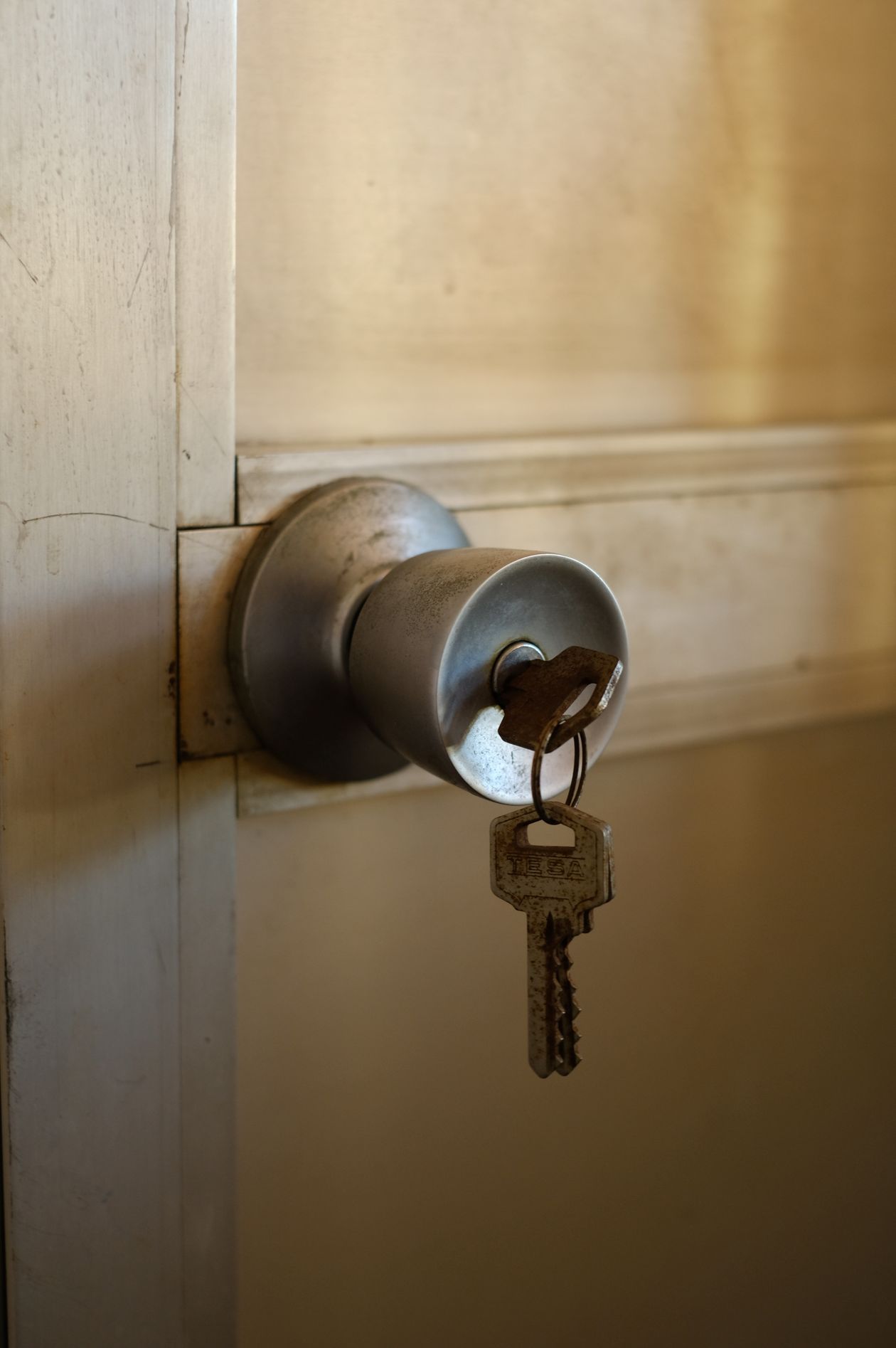
Making it a one-time event
The cheapest spare key is the one made while you still have a working key. Programming a second transponder key from an existing one is a routine job; replacing the only key after it is gone is the expensive version of the same afternoon. Keep the spare somewhere that is not the car: a kitchen drawer, a trusted neighbor in Waxhaw or Indian Trail, anywhere but the glovebox of the vehicle it opens.
Heat matters too. A fob left baking on a Monroe dashboard through a summer day can fail early, and a weak fob battery is the most common reason a keyless car seems to have locked its owner out when it has not. If the fob is unresponsive but the car is open, change the battery before you assume the worst.
Common questions
Will opening my car damage it?
Done properly, no. Professional entry tools are built to work in the door's existing spaces without bending frames or tearing seals, which is exactly why the method is chosen per vehicle.
Why do I have to show ID for my own car?
Because the locksmith cannot tell an owner from a thief by looking, and neither can you tell a careful locksmith from a careless one. The ID check protects your car the next time someone else asks to have it opened.
Can a locksmith make a key if I have lost the only one?
In most cases yes, including transponder keys, by working from the car's locks and programming a new chip. It takes longer and costs more than copying a working key, which is why a spare made early is the smart version.
Photos in this guide are representative stock images.
← All guides from AAA Locksmith← Back to AAA Locksmith